PM Modi inaugurates Delhi Dehradun Expressway 2026, reducing travel time to 2.5 hours. ₹12,000 crore project boosts connectivity and tourism.
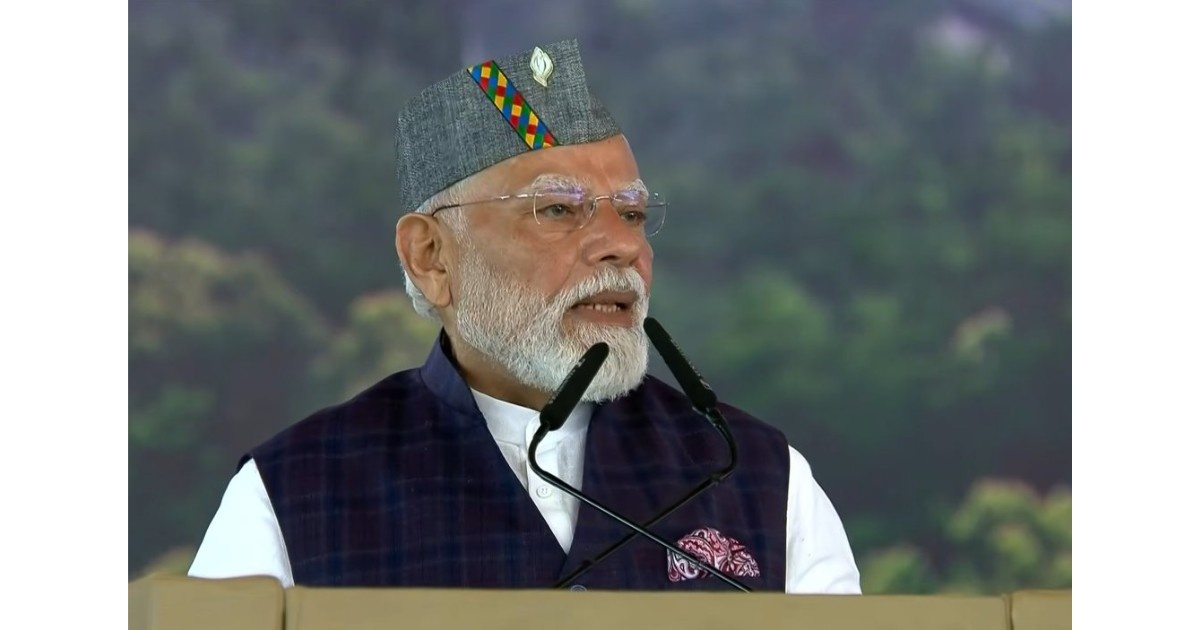
In a major push to India’s infrastructure development, Prime Minister Narendra Modi on April 14 inaugurated the much-anticipated Delhi–Dehradun Expressway, marking a significant milestone in enhancing connectivity between the national capital and Uttarakhand.
The newly launched corridor is expected to drastically reduce travel time between Delhi and Dehradun from over six hours to approximately 2.5 hours, offering a faster, safer, and more efficient travel experience for commuters and tourists alike.
A Landmark Infrastructure Project
The Delhi–Dehradun Expressway, also referred to as an economic corridor, spans approximately 213 kilometres and has been developed at a cost exceeding ₹12,000 crore. Designed as a six-lane, access-controlled highway, the project is part of India’s broader strategy to strengthen high-speed road connectivity.
Speaking at the inauguration event in Dehradun, Narendra Modi described infrastructure as the “fate-lines” of a nation, emphasizing the role of highways, railways, and airways in shaping economic growth and national progress.
He noted that over the past decade, India has focused on building world-class infrastructure not only to meet present needs but also to ensure long-term prosperity.
Transforming Connectivity Between Plains and Hills
The expressway connects Delhi with key regions in Uttar Pradesh and Uttarakhand, significantly improving accessibility to the Himalayan state. The project is expected to benefit daily commuters, tourists, and businesses by providing seamless connectivity.
For Uttarakhand, which recently completed 25 years of its formation, the expressway represents a major development milestone. The Prime Minister reiterated his vision of making the third decade of the 21st century a defining period for the state’s growth.
The improved connectivity is likely to boost tourism, especially to popular destinations such as Dehradun, Mussoorie, and nearby hill regions, while also facilitating smoother movement of goods and services.
Key Features of the Expressway
The Delhi–Dehradun Expressway incorporates several advanced features aimed at ensuring efficiency, safety, and convenience. These include:
- 10 interchanges to facilitate smooth traffic flow
- 3 railway over-bridges (ROBs)
- 4 major bridges
- 12 wayside amenities for travellers
- Advanced Traffic Management System (ATMS) for real-time monitoring
The ATMS will play a crucial role in improving road safety by enabling better traffic regulation, incident detection, and emergency response.
Focus on Environmental Sustainability
One of the standout aspects of the project is its strong emphasis on environmental conservation. The expressway has been designed to minimize ecological disruption while maintaining high-speed connectivity.
A key highlight is the 12-kilometre-long elevated wildlife corridor, one of the longest in Asia, constructed to allow safe movement of animals and reduce human-wildlife conflict.
In addition, the project includes:
- 8 dedicated animal crossings
- 2 elephant underpasses, each around 200 metres long
- A 370-metre tunnel near the Dat Kali Temple
These features demonstrate an integrated approach to infrastructure development, balancing modern engineering with ecological preservation.
Cultural and Symbolic Significance
Before inaugurating the expressway, Narendra Modi visited the wildlife corridor section in Saharanpur and offered prayers at the historic Dat Kali Temple.
This gesture highlighted the project’s connection not only to development but also to regional culture and spiritual heritage. The inclusion of heritage-sensitive infrastructure elements reflects a broader effort to align modernization with local traditions.
Economic and Regional Impact
The Delhi–Dehradun Expressway is expected to serve as a catalyst for economic growth in northern India. By improving connectivity, the corridor will:
- Boost tourism in Uttarakhand
- Encourage investment in infrastructure and hospitality sectors
- Enhance logistics efficiency for businesses
- Generate employment opportunities during and after construction
Improved road infrastructure often leads to the development of ancillary industries, including retail, food services, and transport, thereby contributing to regional economic expansion.
Strengthening the “Double-Engine” Model
During his address, the Prime Minister highlighted the role of coordinated governance between the central and state governments, often referred to as the “double-engine” model.
He credited this approach, along with the efforts of the people of Uttarakhand, for accelerating the state’s development journey. The expressway, he noted, is another example of how collaborative governance can deliver large-scale infrastructure projects efficiently.
A Vision for Future Infrastructure
The inauguration of the Delhi–Dehradun Expressway aligns with India’s broader infrastructure vision, which focuses on creating integrated, high-speed transport networks across the country.
Projects like this are part of a larger push to improve connectivity between urban centres and remote regions, ensuring balanced development. The emphasis on sustainability and advanced technology also reflects evolving priorities in infrastructure planning.
Challenges and Expectations
While the expressway promises numerous benefits, its success will depend on effective maintenance, traffic management, and continued environmental monitoring.
Authorities will need to ensure that the advanced systems installed along the corridor function efficiently and that ecological safeguards remain effective over time.
Additionally, managing increased tourist inflow and ensuring sustainable development in hill regions will be crucial to maximizing the long-term benefits of the project.
A New Era of Connectivity and Sustainable Growth
The inauguration of the Delhi–Dehradun Expressway marks a transformative moment in India’s infrastructure landscape. By significantly reducing travel time and integrating modern engineering with environmental sensitivity, the project sets a benchmark for future developments.
As highlighted by Narendra Modi, such initiatives are not just about improving convenience but about shaping the nation’s economic future. The corridor is expected to unlock new opportunities, strengthen regional connectivity, and contribute to a more integrated and prosperous India.
Inputs & Images: Hindusthan Samachar
Edited By: Akshaya Polepalli
Also Read: IndiGo Summer Sale 2026: Airline Offers Up to 10% Discount on Domestic and International Flights
Follow us on google news: Click Here